
Addestrare un nuovo cucciolo può essere un processo incredibilmente difficile. Tra addestramento domestico e addestramento comportamentale, un nuovo cucciolo è molto simile a un lavoro a tempo pieno. Quando combini quel lavoro con il tuo attuale lavoro, potresti trovarti ad aver un disperato bisogno di alcune scorciatoie. Per non parlare di quanto più difficile possa essere il processo se il tuo nuovo cane ha qualche tipo di trauma passato che lo rende atipico; anche qualcosa di apparentemente semplice come una personalità particolarmente testarda può complicare le cose.
Se hai difficoltà ad addestrare il tuo cucciolo ad adattarsi alla tua casa e al tuo stile di vita, allora sei nel posto giusto. Abbiamo compilato un elenco di 101 suggerimenti e trucchi per addestrare il tuo cucciolo, coprendo tutto, dai furti di casa all'addestramento all'obbedienza, all'addestramento al trasportino e ai cuscinetti per l'addestramento dei cuccioli, oltre a collegamenti ai migliori video di addestramento, guide, prodotti e tutto ciò di cui hai bisogno per far sì che il tuo nuovo cucciolo si adatti bene al tuo stile di vita e alla tua routine.

1. È naturale. "In teoria, non dovrebbe essere così difficile. In natura, i cuccioli imparano naturalmente a non fare i bisogni dove dormono o mangiano. Imparano questo perché la loro madre tiene pulita la tana, liberandosi immediatamente di ogni disordine che i suoi cuccioli fanno. Senza quell'odore intorno, i cuccioli non associano la zona con i loro bisogni. " – Addestrare un cucciolo al vasino , Via di Cesare; Twitter: @cesarmillan
2. Prepara un programma. "Questo è vitale per il successo dell'educazione domestica. I cuccioli hanno vesciche minuscole e l'acqua scorre proprio attraverso di loro. Lo stesso vale per la materia solida. Entra. Esce. Devi assicurarti di dare al tuo cucciolo ampie opportunità di fare la cosa giusta. " – Mara Bovsun, Come educare un cucciolo al vasino:una guida completa per il successo , American Kennel Club; Twitter: @akcdoglovers

3. Non aspettarti l'impossibile. "La prima cosa da capire è che un cucciolo non ha il controllo sui muscoli di eliminazione prima dei quattro mesi di età, e tutti i cuccioli variano nel tempo di sviluppo di questi muscoli. I cani più piccoli hanno vesciche più piccole e avranno bisogno di urinare più frequentemente." – Estelle W., Addestramento dei cuccioli:cosa devi sapere per un furto con successo , Animali trovati; Twitter: @FoundAnimalsOrg
4. Se ne vanno dopo ogni... "Portali fuori subito dopo il risveglio, durante e dopo il gioco, e dopo aver mangiato e bevuto." – Come addestrare un cucciolo in casa, Un posto più sicuro per i cuccioli; Twitter: @SaferPups

5. Fattore nei loro accordi precedenti. "Le precedenti condizioni di vita del tuo cucciolo sono un altro fattore predittivo. Potresti scoprire che devi aiutare il tuo cucciolo a rompere le vecchie abitudini per stabilirne di più desiderabili. " – Addestra il tuo cucciolo in casa , WebMD; Twitter: @WebMD
6. La prima settimana è la più difficile. "La prima settimana di addestramento del vasino per un cucciolo è faticosa, ma diventa più facile, te lo prometto. Potresti ritrovarti a chiederti perché hai deciso di prendere un cucciolo per cominciare:credimi, ci siamo passati tutti. Ma dopo quella prima settimana diventerà più facile." – Jen Gabbard, 5 semplici consigli per abituare il tuo cucciolo al vasino , Perdite di cuccioli; Twitter: @puppyleak

7. Ricorda che i cani non sono umani. "Nella mia esperienza, uno dei motivi principali per cui l'educazione domestica fallisce è perché i genitori di cani hanno la tendenza a considerare i loro compagni canini come esseri umani a quattro zampe. Vedono gli incidenti con gli animali domestici sul pavimento nello stesso modo in cui vedrebbero una persona che fa i bisogni sul pavimento. Anche se il tuo cane è un membro della tua famiglia, non è una persona, e se gestisci male gli errori del vasino in casa, molto spesso otterrai il risultato opposto di quello desiderato e peggiorerai la situazione. " – Il dott. Karen Becker, Evita questo errore:ostacola quasi ogni tentativo di addestrare il tuo cucciolo in casa , Animali domestici sani; Twitter: @drkarenbecker
8. Usa i cuscinetti per cuccioli per "per ogni evenienza". "Anche se gli assorbenti per cuccioli sono molto utili per contenere quegli inevitabili piccoli disordini nei primi mesi di vita del tuo cucciolo, non vuoi che il tuo cane sviluppi l'abitudine di usarli per andare in bagno invece di aspettare finché non vengono lasciati fuori. Il modo migliore per evitare questo è assicurarsi che qualcuno possa entrare dal tuo cane ogni poche ore circa per portarlo fuori. In questo modo, gli assorbenti per cuccioli sono semplicemente un supporto al loro regolare addestramento alla toilette. " – James Shore, Come allevare un cucciolo se lavori a tempo pieno:non è impossibile!, Addestramento del Labrador; Twitter: @LabTrainingHQ

9. Chiedi aiuto. "Se hai amici fidati o familiari che possiedono cani o sono bravi con gli animali, pensa a chiedere loro aiuto. Prova a pensare a come puoi rendere l'organizzazione conveniente per loro, come portare il tuo cucciolo e le sue necessità a casa loro prima del lavoro. Considera i modi in cui puoi offrire incentivi e vantaggi per il tuo amico dog-sitter, soprattutto se non lo paghi. Prova a fare qualcosa che sai che apprezzerebbe, come portarlo fuori a cena o qualche altra attività ogni settimana o giù di lì." – Come prenderti cura di un cucciolo quando lavori a tempo pieno , WikiHow; Twitter: @wikiHow
10. Ottieni più api con il miele. "Esiste solo una metodologia accettabile per addestrare un cane a usare il vasino:il rinforzo positivo. Il consiglio tradizionale suggerisce di schiaffeggiare un cane o strofinargli la faccia nei suoi rifiuti per errori commessi in casa, ma queste tecniche non fanno nulla per rendere il processo di addestramento al vasino più comprensibile per il tuo cane e possono effettivamente danneggiare il tuo rapporto con lui. Tieni presente che i cani non vedono i loro rifiuti come li consideriamo noi:per loro, pipì e cacca sono piuttosto interessanti! Punire il tuo cane per essere entrato in casa non lo aiuterà a capire cosa dovrebbe fallo invece e potrebbe spaventarlo ad avvicinarsi a te, dentro o fuori. Il successo dell'addestramento al vasino richiede pazienza, gentilezza e ricordare che il tuo nuovo cucciolo sta solo imparando le regole. – Victoria Schade, Come addestrare il tuo cane al vasino , PetMD; Twitter: @petMD
11. Prima di lasciare il tuo cucciolo, preparalo. "Prima di uscire di casa per lavoro, porta il tuo cucciolo a fare una passeggiata e quando torni dopo avergli dato da mangiare, portalo di nuovo fuori." – Come addestrare un cucciolo in casa quando lavori tutto il giorno , DogAppy
12. Gli incidenti accadono. "Gli errori accadono. Aspettati che il tuo cucciolo abbia qualche incidente in casa:è una parte normale dell'educazione domestica [...] Non punire il tuo cucciolo per aver eliminato in casa. Se trovi un'area sporca, è troppo tardi per somministrare una correzione. Puliscila e basta. Strofinare il naso del tuo cucciolo, portarlo sul posto e sgridarlo o qualsiasi altra punizione non farà altro che spaventarlo o spaventarlo di eliminare in tua presenza. La punizione spesso farà più male che bene. " – Come addestrare il tuo cane o cucciolo in casa , La Humane Society degli Stati Uniti d'America; Twitter: @HumaneSociety
13. Pianificare tali incidenti. "Quando sei fuori a comprare piccoli giocattoli e dolcetti, non dimenticare il solvente per l'urina. Non pensare di poter usare un qualsiasi vecchio detergente. Anche se tu non riesci più a sentire l'odore, il tuo cane sì. Hai bisogno di un detergente specifico per pulire il suo disordine, rimuoverà l'odore anche per lui. Un cane continuerà ad andare dove può sentirne l'odore. Hai mai visto un cane annusare il terreno mentre cerca un posto dove andare? Ecco perché, in genere, sta cercando un posto dove è già stato, o un posto che ha un altro cane. – Tabatha H, 5 consigli per sistemare il tuo cucciolo quando lavori a tempo pieno, Canili; Twitter: @DogVills
14. Tienilo d'occhio. "Osserva attentamente il tuo cucciolo quando sei a casa con lui per qualsiasi segno che abbia bisogno di uscire; questo potrebbe includere camminare su e giù, grattare la porta o piagnucolare. Portalo immediatamente fuori e lodalo quando usa il posto giusto per il bagno. " – Lori Lapierre, Come pulire un cucciolo se lavori tutto il giorno , Il Nido; Twitter: @TheNest
15. Se lavori, può volerci un villaggio per allevare un cucciolo. "Consiglierei di coinvolgere una o più […] persone per aiutarti, ma il tuo cucciolo dovrebbe anche abituarsi a trascorrere del tempo da solo durante il giorno. Il mio obiettivo sarebbe cercare di non tenere il cucciolo in gabbia per più di 1-2 ore due volte al giorno. Anche se non lavori a tempo pieno, ti consiglio vivamente di chiedere ad altri di aiutarti quando allevi un cucciolo. Sento spesso nella comunità dei cani guida e di servizio:"Ci vuole un villaggio per allevare un cucciolo". A proposito, non avrai bisogno dell'aiuto di amici e familiari. per sempre. Anche se sono sicuro che il tuo cucciolo apprezzerà sempre la compagnia delle persone piuttosto che essere lasciato solo, la maggior parte delle persone non può trascorrere del tempo con i propri cuccioli 24 ore su 24, 7 giorni su 7. – Colby, Cosa fai con il tuo cucciolo quando lavori a tempo pieno?, Cucciolo in formazione; Twitter: @PuppyInTraining
16. Festeggia le sue vittorie. "Con la sfida aggiuntiva di portare il tuo cucciolo fuori dal tuo appartamento prima che usi il vasino, è ancora più importante celebrare ogni vittoria. I cani rispondono sorprendentemente bene al rinforzo positivo. Solo il suono della tua voce gioiosa può fare di più per aiutare nell'addestramento al vasino di quanto potrebbero mai fare i dolcetti. Non punire o sgridare mai il tuo cucciolo per aver avuto un incidente in casa. Le punizioni addestreranno solo il tuo cucciolo di cui non ci si può fidare e possono portare a problemi comportamentali legati all'ansia. " – Dina Fantegrossi , Il gioco del vasino:come educare il tuo cucciolo in appartamento, AMLI residenziale; Twitter: @AMLIapts
17. Non dimenticare che questo è anche il momento di creare legami. Devi addestrarlo, sì. Ma creare fiducia servirà solo a facilitare la sua formazione, quindi non saltarla. "Mentre usi queste strategie, ricordati di goderti questo momento di legame con il tuo nuovo animale domestico in modo che continui a lavorare per apprendere questa parte importante del suo addestramento." – 7 consigli per far usare il vasino a un cucciolo in appartamento , Riciclatori di erba artificiale; Twitter: @agrecyclers
18. Prendi appunti. "Per diverse settimane, ho annotato tutto. Ben presto, sono stato in grado di vedere degli schemi e questo mi ha permesso di precedere Emily. Ad esempio, ogni notte intorno alle 2 del mattino lei iniziava a piangere e a grattarsi. Quando ha iniziato ad agitarsi, era troppo tardi. Quindi, ho impostato la sveglia per l'1:45 e l'ho portata in strada in tempo. Annotare tutto, compreso quando aveva uno schizzo di eccitazione dopo che la gente le urlava contro (cosa che accadeva spesso), ha fatto tutto il possibile. differenza." – Mara Bovsum, Big Dog, Big City:come far funzionare la formazione domestica , American Kennel Club; Twitter:@akcdoglovers

19. Premialo come lui vuole essere ricompensato. "Offri lodi e/o ricompense per il comportamento desiderato. Sia che il tuo cane risponda meglio alle lodi verbali, a un giocattolo preferito o a un trattamento speciale, assicurati di elargirlo con uno stimolo positivo ogni volta che si reca con successo nella posizione corretta. " – Stacy Painter, Addestra il tuo cucciolo con il vasino quando vivi in un appartamento , Veterinario preventivo; Twitter: @PreventiveVet
20. Verso la fine dell'allenamento, introduci il campanello. "Un modo fantastico e divertente per addestrare il tuo cane in casa è addestrarlo a comunicare con te quando ha bisogno di andare a usare il vasino, insegnandogli a suonare il campanello del vasino. È meglio insegnarlo dopo che il tuo cane sembra preferire andare fuori a usare il vasino e vorresti dargli un buon modo per comunicartelo. Il campanello per cani funziona particolarmente bene per i cani che hanno solo pochi incidenti o hanno incidenti vicino alla porta. Insegnare al tuo cane a suonare un campanello gli impedisce di ricorrere a tali metodi Comportamento “incivile” come grattare sulla porta o abbaiare per dirti di lasciarla uscire”. – Jess Rollins, Addestramento con il campanello per cani:addestrare il cane a suonare il campanello per andare a usare il vasino, Competenza sugli animali domestici; Twitter: @PetExpertise
Dai un'occhiata a queste risorse e prodotti per addestrare il tuo cucciolo al vasino:

21. Comprendi lo scopo di un trasportino per cani. "I cani sono animali da tana per natura. In natura, la tana di un cane è la loro casa, uno spazio sicuro dove può dormire, ritirarsi e allevare i cuccioli senza paura del pericolo, senza minacce esterne. Per un cane domestico, una gabbia soddisfa questo bisogno naturale di un rifugio sicuro. Se introdotta e utilizzata correttamente, la gabbia sarà il luogo in cui il tuo cane sceglie volentieri di dormire, nascondersi quando tempesta e, molto probabilmente, sdraiarsi per nessun altro motivo se non il suo spazio personale. " – Sara Logan Wilson, Addestrare il tuo cucciolo con il trasportino:la chiave per una casa senza pipì, Diario canino; Twitter: @CanineJournal
22. Non abusare della cassa. "Un trasportino non è una soluzione magica al comune comportamento canino. Se non viene utilizzato correttamente, un cane può sentirsi intrappolato e frustrato. Non usare mai il trasportino come punizione. Il tuo cane arriverà a temerlo e si rifiuterà di entrare. " – Addestramento sulle casse 101 , Società umanitaria degli Stati Uniti d'America; Twitter: @HumaneSociety
23. Ci sono alcuni grandi vantaggi nell’addestramento alle casse. "Un trasportino funziona bene come un letto. Poiché è chiuso, il trasportino per cuccioli funge anche da rifugio sicuro per allontanarsi da altri animali domestici o bambini fastidiosi. Non vuoi un posto privato tutto tuo dove non sarai disturbato? I cuccioli non sono diversi. Un trasportino può anche essere un luogo sicuro in cui confinare quel cucciolo turbolento. Ciò lo tiene lontano dai guai quando non sei in grado di guardarlo. Inoltre, la maggior parte dei cani deve essere confinata di tanto in tanto, quando viaggia in macchina o andare dal veterinario, ad esempio. Quindi già conoscere e accettare un trasportino dovrebbe far parte dell'addestramento del tuo cucciolo. È uno dei migliori strumenti disponibili per aiutare il tuo cucciolo ad abituarsi al vasino." – Amy Shojai, Puppy Crate Training, . Gli animali domestici di abete rosso; Twitter: @amyshojai
24. Comprendere il processo di formazione sulle casse. "L'addestramento nel trasportino può richiedere giorni o settimane, a seconda dell'età, del temperamento e delle esperienze passate del tuo cane. È importante tenere a mente due cose durante l'addestramento. Il trasportino dovrebbe sempre essere associato a qualcosa di piacevole e l'addestramento dovrebbe avvenire in una serie di piccoli passi:non andare troppo in fretta. " – Come addestrare il tuo cane in gabbia , zampe; Twitter: @PAWStweets
25. Scegli la cassa giusta. "Il trasportino del tuo cane dovrebbe essere abbastanza grande da permettergli di alzarsi e girarsi. Se il tuo cane sta ancora crescendo, scegli una dimensione del trasportino che si adatti alla sua taglia da adulto. Blocca lo spazio in eccesso in modo che il tuo cane non possa fare i bisogni da un'estremità e ritirarsi dall'altra. Il tuo rifugio per animali locale può affittare i trasportini. Affittando, puoi scambiare fino alla dimensione appropriata per il tuo cucciolo fino a quando non avrà raggiunto la sua taglia adulta, quando potrai investire in un trasportino permanente. " – Crate 101:una guida all'addestramento sulle casse , Il lotto che abbaia; Twitter: @TBLTweets
Dai un'occhiata ai nostri elenchi dei migliori trasportini per cani di piccola taglia e dei migliori trasportini per cani di grandi dimensioni per trovare il trasportino perfetto per il tuo cucciolo.
26. Fai una corretta introduzione alla cassa. "Metti il trasportino in un'area familiare della casa e lascia la porta aperta. Lascia dei dolcetti o dei giocattoli all'interno e intorno al trasportino, incoraggerà il tuo cane a esplorare l'interno del trasportino. Questo passaggio potrebbe durare alcuni giorni, a seconda di quanto si sentirà a suo agio il tuo cane quando incontra per la prima volta il trasportino. Ricorda che dare al cucciolo tutto il tempo necessario per adattarsi a ogni fase dell'addestramento al trasportino aiuterà l'intero processo di addestramento a svolgersi senza intoppi." – Erica Jorgensen, Suggerimenti per l'addestramento al trasportino a Cucciolo:non è necessario piagnucolare , Trattamento quotidiano; Twitter: @RoverDotCom
27. Non forzare il tuo cucciolo. "Incoraggialo a entrare nel trasportino lanciandogli il suo dolcetto preferito o masticandolo. Se il tuo cucciolo decide di sistemarsi, permettigli di farlo senza chiudere la porta in modo che possa prendere la propria decisione se restare o andarsene. Una volta che si sente a suo agio ad entrare nel trasportino, inizia a chiudere la porta per alcuni secondi alla volta, aumentando gradualmente la durata finché è rilassato. " – Victoria Stilwell, Addestramento sulle casse , Positivamente; Twitter: @VictoriaS
28. Iniziare con tempi brevi a porta chiusa. "Non hai nemmeno provato a chiudere la porta con lui dentro. Giusto? Questo è importante perché vuoi che lui ami assolutamente entrare nella cassa e non abbia paura o preoccupazioni per la porta. Una volta che l'ha capito, dovresti essere pronto per iniziare a chiudere la porta. Inizia la sessione come l'avevi interrotta, ma questa volta chiudi la porta della cassa per qualche secondo mentre sta ancora mangiando gli ultimi dolcetti che hai buttato dentro. Apri la porta della cassa e fallo uscire prima che abbia finito di mangiare. Ripeti circa tre o quattro volte. Il il prossimo passo è iniziare ad aumentare gradualmente il tempo in cui la porta è chiusa, ovviamente con il tuo cucciolo. Stiamo parlando di secondi e non di minuti, quindi è molto lento. Metti alcuni dolcetti nella gabbia mentre la porta è chiusa per farlo rimanere felicemente. Non allontanarti e lasciarlo a questo punto. L'aggiunta di un giocattolo preferito o di un Kong di peluche lo terrà occupato. – Sharon, Addestramento di un cucciolo in gabbia , Conoscenza della cura del cane; Twitter: @Dogcareknow
29. Introduci gradualmente l'ora di andare a dormire. "Presto il cane dovrebbe usare felicemente la gabbia volontariamente. Quando raggiungi questa fase, (NON PRIMA) aspetta finché non entra per dormire, poi chiudi la porta. Rimani nella stanza e lascialo uscire non appena inizia a svegliarsi. Quando il tuo cane è abituato a questa routine, lascialo per un minuto dopo che si è svegliato (con te ancora nella stanza). Gradualmente (nel corso di circa una settimana) aumenta il tempo in cui puoi farlo. " – Stan Rawlinson, Addestrare i cuccioli nel trasportino in modo semplice , Ascoltacani
30. Dovrai comunque alzarti nel cuore della notte. "Lascia che un cucciolo esca dalla gabbia ogni due ore quando inizi l'addestramento, in particolare tra le 8 e le 12 settimane. Il sito web della Humane Society degli Stati Uniti dice che i cuccioli di età inferiore ai 6 mesi possono stare in una gabbia per tre o quattro ore alla volta, al massimo. Ciò non significa che dovrai alzarti nel cuore della notte ogni notte per sei mesi o più; ma non sarai in grado di stare tutta la notte per un certo periodo. Da solo, il cane dormirà tutta la notte. quando la sua vescica glielo permetterà. Se dorme profondamente, non ha un disperato bisogno di fare pipì, però quando si sveglierà, lo farà. – Melodie Anne, Il mio cucciolo può dormire in un'altra stanza nel suo trasportino di notte? , Il Nido; Twitter: @TheNest

31. Taglia l'acqua prima di andare a letto. "Per rendere questo processo più semplice per entrambi, suggerisco di bere acqua 2 ore prima di andare a dormire e di uscire con il tuo cucciolo come ultima cosa prima di andare a letto la sera. Rispetta un programma! I cani si adattano più facilmente a situazioni prevedibili e amano seguire un programma normalizzato. " – Chet Womach , Cuccioli di addestramento in gabbia , Il segreto dell'addestramento del cane; Twitter: @DogTrainer411
32. Attenersi alle linee guida. "Una buona regola pratica è che un cane può essere messo in gabbia durante la notte e per un massimo di metà giornata, a condizione che i suoi bisogni fisici e sociali siano soddisfatti mentre non è nella gabbia. I cuccioli giovani hanno bisogno di sonnellini più frequenti e opportunità molto più frequenti per "fare i loro affari" rispetto agli adulti. Una buona stima di quanto tempo un cucciolo può aspettare prima di aver bisogno di fare i suoi bisogni è tante ore quanti sono i suoi mesi, più uno. Quindi un cucciolo di tre mesi può farcela per circa quattro ore. Durante la notte di solito può resistere un po' più a lungo, di solito circa 1,5 volte il massimo giornaliero – circa sei ore per un bambino di tre mesi. Ma non dimenticare che i cuccioli devono essere socializzati a fondo prima dei cinque mesi – quindi quelle ore sveglie e fuori dalla gabbia sono molto preziose per la socializzazione! – Jennifer Messer, La verità di un allenatore sulle casse , Rivista moderna del cane; Twitter: @ModernDogMag

33. Troppo tempo trascorso nel trasportino può essere dannoso per il tuo cucciolo. "[Alcuni] credono che un confinamento prolungato possa essere dannoso e dicono che alcune persone chiudono i cani da compagnia in piccole gabbie per un massimo di 18-22 ore in totale al giorno. I cani tenuti in gabbie eccessive, dicono, possono soffrire di complicazioni dovute alla "rabbia in gabbia", all'ansia, alla paura e alla depressione. " – Sofija Stefanovic, Nella cuccia:quando mettere in gabbia il tuo cane diventa un abuso per gli animali domestici? , Il guardiano; Twitter: @guardiano
34. Non prepararlo a sentimenti di tradimento. "Varia sempre il tempo che il tuo cane trascorrerà nel trasportino, soprattutto durante l'addestramento. Ciò impedirà al tuo cane di" aspettarsi "di essere rilasciato in un determinato momento e ridurrà eventuali problemi come piagnucolii o graffi alla porta del trasportino." - Addestramento del cane al trasportino , RSPCA Vittoria; Twitter: @RSPCAVIC
35. Le casse servono a molti scopi. "Una gabbia per cani funge anche da cabina da viaggio per il tuo cane quando viaggi in auto o in aereo. Inoltre, la maggior parte degli hotel che accettano cani nei propri locali richiedono che siano imballati mentre sono nella stanza per evitare danni ai mobili e ai tappeti dell'hotel. " – Robin Kovary, Addestramento sulle casse , POLLICI:canale Internet
36. Metti il tuo cucciolo a suo agio nel suo trasportino. "Avrai anche bisogno di equipaggiare la sua gabbia con della biancheria da letto. Se il cane non mastica stoffa o biancheria da letto, puoi usare un asciugamano o una coperta leggera all'interno della gabbia. Il giornale non è una buona idea, poiché potrebbe inviare il messaggio "qui vasino", soprattutto se il cane è stato precedentemente addestrato a usare la carta. Alcuni cani urinano in una gabbia se viene fornita la lettiera. Se il tuo cane fa questo, rimuovi la lettiera finché il cucciolo non inizia a capire che la lettiera serve per dormire, non per un vasino!” – Addestramento al trasportino e violazione di domicilio semplificati:addestrare un cucciolo in casa , Ora del cane; Twitter: @dogtimedotcom
37. A volte le casse sono semplicemente necessarie. E il tuo cucciolo non sarà un passo avanti se mai si presentassero? "Se il tuo cucciolo dovesse mai andare dal veterinario per una procedura o un intervento chirurgico, verrà messo in una gabbia per cani prima e dopo. Se è abituato a essere confinato in questo modo, sarà molto meno stressato prima e dopo l'intervento. A volte, a causa di una malattia o dopo l'intervento chirurgico, l'esercizio fisico deve essere limitato per alcuni cani. " – Jo Laurens, Crate Training A Puppy:la guida esperta definitiva, Il sito dei cuccioli felici
38. L'imballaggio può aiutare durante i periodi caotici. "Tenere in gabbia può essere una buona idea anche per i cani adulti durante i pasti o quando si hanno ospiti; è allora che anche i cani più adorabili possono diventare una seccatura." – Aspettative sul trasportino:addestrare il cane al trasportino , Petsmart; Twitter: @PetSmart
39. Non trascinare mai il cane fuori dal trasportino. "Se stai pianificando un compito che pensi che il tuo cane trovi spiacevole, come un bagno, chiudi la porta del trasportino prima che si renda conto delle tue intenzioni, in modo che non possa nascondersi dentro. Vuoi evitare di trasformare il suo rifugio sicuro in un campo di battaglia con te che cerchi di trascinarlo fuori dalla sua tana. " – Barbara Fitzgerald, 5 consigli sull'addestramento in gabbia:il modo carino per mettere in gabbia un cucciolo , Animale domestico utile; Twitter: @PetHelpful
40. Non ignorare mai la paura vicino o intorno al trasportino. "[Cerca] di trovare ciò che spaventa il tuo cucciolo ed eliminalo. A volte è la gabbia stessa; prova a cambiare gabbia per alleviare il suo stress. Un altro possibile problema potrebbe essere che stai cercando di portarlo fuori dalla sua tana quando non vuole lasciarla. Non cercare mai di forzare il tuo cucciolo a uscire. Insegnagli invece a lasciare la gabbia al tuo comando verbale." – Alexandra, 8 passaggi per addestrare velocemente un cucciolo alla gabbia (Completato) guida) , Animali
Dai un'occhiata a queste risorse e prodotti per addestrare il tuo cucciolo al trasportino:
41. Sii breve. "Il tuo cucciolo vedrà tutto come un gioco, quindi tienilo stimolato cambiando ciò che sta imparando. Esegui ogni comando per circa cinque minuti e torna a ripeterlo ogni volta che puoi." – Insegnare al tuo cucciolo:nozioni di base sull'addestramento all'obbedienza , Colline Animale Domestico; Twitter: @HillsPet
42. Inizia presto e crea un legame. "Per stabilire un rapporto positivo con il tuo cucciolo ed evitare molti problemi futuri, inizia ad addestrarlo qualche giorno dopo che il cucciolo si è ambientato. Un rapporto basato sull'amicizia e sulla fiducia farà sì che si impegni con tutte le sue forze per ottenere lodi e approvazione." – Kathy Santo, Nozioni di base sull'addestramento dei cuccioli, IAMS; Twitter: @IAMS
43. No, davvero presto. "Addesterai il tuo cucciolo dal momento in cui lo porterai a casa e inizierai ad addestrarlo. I cuccioli iniziano ad imparare fin dalla nascita e i bravi allevatori iniziano subito a maneggiarlo e socializzare. Alcuni addestramenti possono iniziare non appena il cucciolo può aprire gli occhi e camminare. I cuccioli giovani hanno una capacità di attenzione breve, ma puoi aspettarti che inizino a imparare semplici comandi di obbedienza come "seduto", "giù" e "resta", già dalle 7 alle 8 settimane di età." – Debra Horwitz, Comportamento e addestramento dei cuccioli – Nozioni di base sull'addestramento , Ospedali VCA; Twitter: @VCAPetHealth
44. Addestrarli mitigherà i futuri problemi comportamentali. "I cani hanno i loro problemi comportamentali. La mancanza di disciplina può influenzare negativamente il comportamento del tuo cane e trasformare il tuo amato animale domestico in un cane disobbediente, aggressivo o indisciplinato. Come proprietario di un cane dovresti essere consapevole di questi problemi e addestrare il tuo cane di conseguenza." – Come addestrare il tuo cane , Addestrare il cane da compagnia; Twitter: @trainpetdog

45. Il suo nome conta. "Naturalmente vorrai scegliere un nome per il tuo nuovo cucciolo o cane che ami, ma ai fini dell'addestramento è utile anche considerare un nome breve che termina con una consonante forte. Ciò ti consente di pronunciare il suo nome in modo che possa sempre sentirlo chiaramente. Un finale forte (ad esempio, Jasper, Jack, Ginger) ravviva le orecchie del cucciolo, soprattutto quando metti un forte accento alla fine." – 10 migliori consigli per la formazione , Albero genealogico; Twitter: @PedigreeUS
46. Un addestramento adeguato renderà il tuo cane un partecipante migliore alla comunità. "L'addestramento del cane all'obbedienza stabilisce una serie di regole o limiti che educano il tuo cane a diventare un membro responsabile della società. Incluso come relazionarsi con altri cani, animali e persone, le buone maniere di base e come comportarsi in ogni situazione." – Addestramento del cane all'obbedienza:la chiave per allevare un cane ben educato , Centrale addestramento cani; Twitter: @ThePaw_com

47. Lavora sul suo vocabolario. “The most important words are ‘No,’ which means, ‘Stop whatever you’re doing,’ and ‘Good,’ which means ‘I like what you’re doing.’ These praise and correction words should be started at 2-3 months of age. You must teach these words properly, with the right tone of voice and the right body language, or they won’t be of any help in teaching other words. If your puppy is older than 2-3 months and hasn’t learned ‘No’ and ‘Good’ flawlessly, you must start with those words before you can expect success with other word training.” – Ralph and Michele Welton, Puppy Training Schedule:What To Teach Puppies, and When, Your Purebred Puppy; Twitter: @yourpurebredpup
Check out our list of the Best Dog Training Collars to find the perfect training collar for your puppy.
48. Give plenty of affection. “Most people don’t have a problem being very clear about when they are unhappy with their dogs, but, they often ignore the good stuff. Big mistake! Make sure you give your dog lots of attention when he’s doing the right thing. Let him know when he’s been a good boy. That’s the time to be extra generous with your attention and praise. It’s even okay to be a little over the top.” – Traci Theis and Kellyann Conway, Top Ten Dog Training Tips, Pet Finder; Twitter: @petfinder

49. But don’t overwhelm the puppy. “Your new puppy has just been taken away from her mom and littermates. She is vulnerable and impressionable. What she needs now is security and routine. Play with her quietly and gently. Don’t flood her with attention and activity. If she looks like she wants to sleep, leave her alone. Puppies need lots of sleep.” – Training Puppy the First Week, Perfect Paws
50. Know your dog’s personality. “Intuitively, we all know that our dogs are like no others. They react hilariously to the most benign and everyday of sounds, or they sleep on their backs trying to copy the humans they watch daily. But, it’s not uncommon to totally forget how unique our dogs are when it comes time to do some training. Fittingly, despite some opinions to the contrary, there is no one holy grail method of training. Get to know your dog’s personality and you’ll have the keys to effective training sessions.” – Rosalee Kaschel, How Your Dog’s Personality Affects Training , PetSafe; Twitter: @PetSafe
51. Factor in you , too. “Your dog is not the only factor to take in to consideration when you are training in basic obedience; you also play a huge part of your dogs training process. If you are considerably impatient or easily frustrated then you are going to want to approach teaching your dog obedience in short lessons that focus on one command at a time. You can also benefit from enrolling in a small obedience class that will allow you a reprieve if you are feeling overwhelmed.” – Amy Brannan, Dog Obedience Tips:Patience Is Key , Canine Journal; Twitter: @CanineJournal
52. Train yourself. “Most owners mistakenly believed they need to have their dogs trained when in fact the owners need the education more than the dog do. The most important component in any successful relationship between dog and owner is that the owner understands the dog and that the dog understands the owner.” – Matthew Kinneman, Puppy Obedience Training Tips The Top Ten Mistakes Owners Make , Vitamins For Pitbulls; Twitter: @bullymax

53. Start at home. “The best place to start puppy obedience training is at your home, where you don’t have distractions and where your puppy is familiar, so we can avoid the environmental stress factor that happens when a dog is in a new and unfamiliar place. Remember your puppy is in the learning phase, later on during our next steps we will add different stress factors and distractions.” – Mario Ancic, Puppy Obedience Training…Where It All Begins , Training Your Dog and You
54. Remember your dog wants per farti piacere. “Understanding more about how a dog thinks and what is ‘normal’ for your dog will help you. It is important to remember that, for the most part, our dogs are keen to please – so if they are not doing as you ask, it may be because you are not being clear about what you want or are not using rewards, commands and body language in a way your dog understands.” – Dog Obedience Training, Purina; Twitter: @Purina
55. Socialize your puppy early. “Socialization means training your puppy or adult dog to accept new people, animals, and various places by exposing him to these things. Socialized dogs are less likely to develop behavior problems and are generally more welcomed by others. Socialization can also help prevent the development of fears and phobias. The bottom line is that socializing your dog or puppy will make him a happier, more well-behaved dog.” – Jenna Stregowski, 10 Steps To Train Your Dog , The Spruce Pets; Twitter: @JennaDogs
56. Start with basic commands. “To start, force yourself to slow down and focus on one command at a time with the plan to work through all of the basics, which include:sit, stay, heel, down, kennel and place.” – Tom Dokken, 4 Tips for Dog Obedience Training , Gun Dog; Twitter: @GunDogMag
57. Stay firm. “This is where you learn how to show your dog that you are the one in charge, that you are the alpha leader and that you are the person they need to listen to you. This will make training your puppy a lot easier. As your puppy grows, so will his need to assert himself. Be sure that you don’t cave into your puppy’s every whim.” – Richard Sprawson, Beagle Puppy Obedience Training Tips And Methods , Beagles In My Kitchen; Twitter: @rgs112
58. There are no shortcuts. “Be careful of advertisements for 10 minute puppy obedience training programs and the like. There are no miracle cures in puppy training.” – Puppy Obedience Training – How to Care for a Puppy , Shiba Shake
59.Consider enrolling in a good obedience class. “A class environment provides for some of the socialization your dog needs and teaches him to respond to you even with exciting distractions all around. A good instructor will help you become a more effective trainer and will point out mistakes that you don’t even know you’re making.” – Sheila Webster Boneham, How to Find a Good Dog Trainer and Obedience Class, Nylabone; Twitter: @nylabone
60. Mentally prepare for the bad days. “Not every training day is going to be perfect, but don’t get frustrated and don’t take it out on your dog. Adjust your own behavior and attitude to encourage your dog’s ability and confidence to learn. If you have a calm mood, generally your dog will, too. If the dog becomes afraid of your bad mood, he will not learn anything new. He’ll only learn to be wary and not trust you.” – How to Train a Dog , WikiHow; Twitter: @wikiHow
Check Out These Resources and Products for Puppy Obedience Training:

61. Make a connection first. “If we had just met and you wanted to take a walk with me, how comfortable would we be together at first? We most likely would be a bit guarded with one another until we knew each other better. The same is true for a relationship between a dog and their human. […] Get to know your dog and let him get to know you, too. Work on reinforcing eye contact every time you say his name – which is most likely a brand new name for your dog. Say the name or make a noise to get his attention, and when he looks at you, say YES! and toss him a good treat. Eye contact and acknowledgement that you are seeking his attention is the first step of all training, so you really can’t do too much of this.” – Annie Phenix, How to Train Your Dog to Walk Nicely On Leash , Lucky Puppy Magazine; Twitter: @myluckypuppy
62. Leash training is a critical part of maintaining your dog’s safety and promoting your bond. “Learning how to walk properly on leash makes it safer for your pet and more enjoyable for both of you (ever seen someone fighting to keep their leashed dog under control, while it drags them relentlessly down the street? Doesn’t look like much fun…). Remember that cute little balls of fluff are still very young and their attention span can be short, so patience is a must when it comes to leash training your puppy. Positive reinforcement is important – reward your puppy for every little thing he does right during your puppy training sessions.” – Puppy Leash Training Tips , Scampering Paws
63. Give it a few trial runs before going outside. “Pulling on leash is a very natural thing for a pup to do. They feel the restraint so they start pulling against it. Let’s start the puppy leash training indoors with no distractions. Accustom the puppy to walking on a loose leash at your side. It’s important that you teach your puppy to walk on one side only. The standard is your left hand side. It really doesn’t matter which side, but choose only one and stick with it – this way your puppy won’t be tripping you up by changing sides.” – Puppy Pulling On Leash, Perfect Paws
64. Make sure your dog associates fun things with the leash. “Fill an – Fanna Easter, What to Do When Your Puppy Won’t Walk on Leash , Dog Training Nation; Twitter: @DogTrainNation
65. Your dog may be extra stubborn. “A lot of dogs pull forward on leash, but some dogs and many puppies pull backward or refuse to walk. This happens to French Bulldogs and English Bulldogs all the time! Pulling harder or luring with a treat only makes the problem worse.” – Grisha Stewart, What to Do When a Dog Refuses to Walk , Ahimsa Dog Training; Twitter: @grishastewart
66. For dogs who pull back or away, stay away from retractable leashes. “When Sunshine [the dog] pulls on the leash it doesn’t make the walk enjoyable for her guardians or the dog. The guardians had used a retractable leash, which allows Sunshine a lot of freedom. But if you have a dog that is not well behaved on the leash this additional amount of freedom can contribute to the problem. If your child is not the best driver, you wouldn’t to give it more unsupervised driving privileges; you would go back to basics and have the child practice more in a structured environment to build up the skills necessary to be a good driver. This same principal applies to your dog walking on the leash.” – Sam Kanouse, Great Leash Training Tips to Stop a Golden Retriever Puppy from Pulling on the Leash , Dog Gone Problems; Twitter: @DogGoneProblems
67. You must teach your puppy he can’t meet everyone. “Teach your puppy that they don’t get to meet every person or dog they see on a walk. I cannot emphasize the importance of this enough. Leash reactivity (barking, lunging, growling on leash) is the most common behavior problem I work with. In the majority of cases, it results from the dog’s frustration with being unable to get to the other dog.If we teach puppies from a very young age that walks are structured, require focus on the owner, and aren’t a social hour, it can help your puppy grow up to have reasonable expectations when seeing another dog on leash. Even with ‘social butterfly’ puppies, we don’t greet every dog we pass. When we do greet a dog or person, I teach them to sit and make eye contact with the person walking them before they are released for a brief greeting. This type of structure is critically important in order to have a dog that’s friendly and social – but also has self-control.” – Alex Andes, 5 Little-Known Puppy Training Tips You’ll Be Glad You Found , Peach on a Leash
68. Remain Calm. “Try to start all walks in a relaxed state. Often dogs get very excited to see a leash. They know it possibly means they’ll be allowed to go out and explore. Introduce the leash when your dog is calm and keep a relaxed attitude yourself throughout the entirety of your walk” – Napa ‘ze Dog, Tips for Leash Training a Puppy , Napa’s Daily Growl; Twitter: @NapatheDog

69. Use the proper gear. “Practice with a 6-foot regular leash that is long enough to create some slack. Always use a flat buckle collar or harness. No choke chains, prong collars, and definitely no shock collars.” – Sharon Dianora, Leash Training a Puppy To Walk Calmly , Dog Care Knowledge; Twitter: @Dogcareknow
70. Let him hit the jackpot! “Remain calm at all times, and utilize jackpots (more treats or better treats) when your dog accomplishes something that was difficult for him; i.e., not pulling you toward the neighbor dog! Jackpot for any eye contact or focus on you! Keep leash training sessions short and FUN! You can train several times a day, but you don’t want to push you or your dog past the point of fun! Puppies, especially, have short little attention spans, and if you insist on puppy training past the point of fun – usually around five minutes – your pup may start to dislike, and dread training!” – Leash Training Tips To Stop The Pulling And Enjoy Your Walks Again , The Dog Training Secret; Twitter: @DogTrainer411
71. If he’s chewing on his leash, he may be over stimulated or desperate for attention. “Some dogs chew on the leash as a way to get attention. When your dog is walking calmly on a loose leash, no one pays attention to him, but when he acts out, the focus shifts directly to him. For many dogs, negative attention is better than no attention at all. Other dogs are over-aroused, and the easiest way to release tension is to bite on the leash. In the shelter situation, dogs frequently grab and chew on the leash, often when first taken out of the kennel and led with other dogs. The more intense the situation and the more wound up a dog is, the more likely that leash biting will occur.” – Mikkel Becker, Put a Stop to Leash Chewing and Tugging, Vet Street; Twitter: @Vetstreet
72. Not all dogs get the same gear. “A front-attachment harness is a safe and easy to use no-pull device that is great for all dogs. Choose a head collar for dogs with aggressive tendencies or for those that need the maximum amount of control such as a small owner with giant-breed dog. The front-attachment harness and head collar should only be used with leashes that are a maximum of six feet long. If the leash is too long, it is possible that he could get going fast enough to hurt himself if he were to hit the end of the leash abruptly.” – Jessica Rollins, Leash Training:How to Walk a Dog That Pulls , Pet Expertise; Twitter: @PetExpertise

73. Even if it’s worked in the past; that doesn’t mean that’s the method you should stick with. Some puppies are more resilient than others and can learn to walk on a leash despite the method. “My general rule of thumb is that we should use methods that focus on rewarding the correct behavior, starting with steps the dog can easily perform and quickly moving on to steps that are closer and closer to our goal behavior; rather than methods that rely on sheer luck that the type of dog you selected can endure it mentally unscathed. And if we choose methods that are as crude as dental care in the 16th century, we should realize that some dogs learn no matter what we do to mess them up.” – Dr. Sophia Yin, My Puppy Won’t Walk on Leash! 3 Ways to Train Your Puppy to Love Her Leash , Cattledog Publishing, the Legacy of Dr. Sophia Lin; Twitter: @SophiaYin
74. Treat well and treat frequently. “Keep your dog’s leash short enough that he cannot easily leave your side, thereby modeling the position you want him to be in. Don’t keep it so short that you’re dragging him, though. Simultaneously lure him into the correct area by your side with tiny treats. You can mark the behavior with a word or clicker if you like. When he starts to get the idea, stop luring but do reward him for staying by your side. Give a treat every few steps at first, increasing the distance you walk between treats until he forms the habit of walking at your side without treats. You can also give him a bit more leash as long as he doesn’t weave or circle.” – Teaching Your Dog to Walk on a Leash , Nylabone; Twitter: @nylabone
75. Rewards are more than just treats. “You can also try using ‘breaks’ as rewards. For instance, if (or, more likely, when!) he wants to sniff around, ‘Ask for a sit or eye contact first, then let him sniff and ‘be free’ for a bit, before walking nicely again,’ advises Mayer.” – How to Leash Train a Dog , Chewy; Twitter: @Chewy
76. Don’t start to early and don’t skip the home training. “I recommend waiting until they’re 10 weeks old. This is because until 12 weeks old, they’ve no need for ID tags as they’re just too young to take outside further than your back yard while they complete their vaccination program. And during house training you don’t need to lead them outside, they’re so small at this age that you can simply scoop them up and carry them. But by getting them used to a collar and leash at 10 weeks old, they will be comfortable wearing them by 12 weeks when you can start to walk them outside.” – LTHQ, How To Get Your Puppy Used To A Collar And Leash , Labrador Training HQ; Twitter: @LabTrainingHQ

77. Get down to his level. “If your dog naturally walks at heel, that’s great – but don’t expect it – and don’t try to get him to. Yanking on the leash won’t help the situation, so think of getting him to walk as a gradual process. You may need to stand still or kneel down while he figures out what’s going on – that way your pup realizes that he won’t be able to go anywhere unless it is by your side. Some dogs may decide to sit down and not move. If this happens, call to your pup and offer him a reward when he comes over. Never yank him toward you. Once he comes over of his own will, offer him a treat and continue walking with him by your side.” – Jodi Westrick, How to Leash Train Your Active Puppy , Animal Planet; Twitter: @AnimalPlanet
78. Imposing penalties. “Here’s a terrific exercise. Set up a goal for your dog – it could be a biscuit on the ground, or a person she adores. With your dog on leash, take a step toward her goal. The instant she draws forward and tightens the leash, say, ‘Oops!’ and go right back to the starting point. Repeat, repeat, repeat, imposing penalty yards whenever your dog draws the leash tight. I did mention you’d need patience, didn’t I? Help your dog succeed by delivering treats as she keeps the leash loose on the way to the goal.” – Jolanta Benal, Teach Your Dog to Stop Pulling the Leash , Quick and Dirty Tips; Twitter: @quickdirtytips
79. Don’t forget to teach him to sit at your side when you stop. “The procedure for teaching your dog to automatically sit when you stop walking is a simple one. Put him on alert by slowing down before you stop. When you come to a full stop, give the command ‘sit.’ If necessary, slowly pull us on the leash and push down on his haunches. […] When he does sit, praise him for obeying. Eventually, it will not be necessary to use the ‘sit’ command.” – Tips from Matty, Teaching your Dog to Heel and Sit , PBS; Twitter: @PBS
80. Repeat, repeat, repeat – and you’ll get it. “To make sure that your canine has the leash and collar routine down pat, you need to repeat this training in many different settings, and at many different places. Fortunately, leash training isn’t the most difficult dog training trick you’ll have to teach your dog, and it’s fairly easy to get ahold of this. You can even combine leash training with ‘stranger’ training. Just make sure you do them separately in the your home first.” – Samantha Randall, 3 Tips to Effectively Leash Train Your Dog , Daily Treat; Twitter: @RoverDotCom
Check Out These Resources and Products for Leash Training Your Puppy:

81. Know the proper clicker training procedure. “Push and release the springy end of the clicker, making a two-toned click. Then treat. Keep the treats small. Use a delicious treat at first:for a dog or cat, little cubes of roast chicken, not a lump of kibble.” – Karen Pryor, Fifteen Tips for Getting Started with the Clicker, Karen Pryor Clicker Training; Twitter: @karen_pryor
Check out our list of the Best Dog Training Treats for the perfect treats to use for clicker training.
82. A clicker isn’t a remote. “Do not point it at your dog. Instead put your hand behind you back or keep it to your side and click whenever your pet is doing the right thing. Dogs are visually oriented animals, this means that they will use any body cue you give them. You want them to respond to the ‘sound’, not your arm movement!” – 23 Free Dog Clicker Training Tips for Best Results , Dog Training Excellence; Twitter: @DogExcellence
83. If the clicker scares your dog, find a way to soften it. “Hold the clicker behind your back. This will muffle the sound a bit, and prevent you from inadvertently pointing it at your dog. (Remember, it’s not a remote control!) If that’s not enough, you can wrap the clicker in layers of soft fabric to muffle the sound even more. One of my clever clients wrapped her clicker in baby socks. Every few days, she could take one sock off, so the sound gradually became a bit louder. It worked perfectly! After a couple of weeks, they were able to take the socks off the clicker and click ‘normally.’ You can also try these techniques with a ‘clicky pen‘ (one with a button on the end that you have to ‘click’ to start writing and ‘click’ to stop) and see if your dog is more tolerant of that. If she is, use that for the first couple of weeks and then reintroduce the clicker.” – Katherine Ostiguy, Fear of the Clicker:How to Train Your Dog Through It , Spring Forth Dog Academy; Twitter: @springforthdog
84. Start by charging up the charger with you dog. “Click the clicker once (in-out) and give your dog a treat (press on the end of the metal tab that does not have the dimple). Hint:Use something your dog really likes at first. Small pieces of yummy food (dog cookies, hot dogs, cheese) are best because the dog can enjoy it and be ready for the next thing quickly. Repeat this until your dog reacts to the clicker (by startling, pricking her ears, or suddenly looking for the treat). If she does, you’re ready for the next step… Hint:Try to keep your timing random (1-5 seconds between one click-and-treat time and the next). Technical Note:This is called ‘establishing a secondary reinforcer’ but most people call it ‘charging up the clicker’! Remember, click first, then treat.” – Stacy Braslau-Schneck, Get Started With Clicker Training, Wag’n’Train
85. Treats mean reinforcements. “Every time you click, deliver a reinforcer, ideally within 1-2 seconds of the click, especially for beginner dogs. Think of the clicker like your dog’s paycheck – clicking without treating is like having your paycheck bounce at work…would you go back to work on Monday?” – Dogster HQ, Dog Clicker Training Basics , Dogster; Twitter: @dogster
86. Work on your timing. “Much of clicker training is mechanical skills, such as food delivery and clicker timing. You can work on improving your timing and accuracy without your animal. For example, watch the news and try to click whenever anyone says the word ‘today.'” – Mary Hunter, 10 Tips to Improve Your Clicker Training, Stale Cheerios; Twitter: @cheeriotrainer
87. Every click is a treat. “Once you’ve charged the clicker, never click without giving your dog a reward. Clicker training depends on your dog trusting that a reward will come when he hears the marker. If you’re inconsistent, your dog won’t make an effort to remember the behavior that prompted the click.” – Tips for Successful Clicker Training , Raising Spot
88. The clicker is an audible alert letting your puppy know what’s coming. “So the clicker just lets your dog know that they did what you wanted them to do and it also lets them know that a treat is coming, because we’re going to be doing positive reinforcement training today.” – Clicker Training for Dogs:Wag! 2-minute Training Treats , The Daily Wagger; Twitter: @WagWalking
89. In the beginning, click for everything. “At first, you will be ‘clicking and treating‘ for any desirable behavior you see – such as when your puppy sits down, lays down quietly, comes to you when you call his name, etc.” – All About Puppy Clicker Training, Fido Savvy
90. Use clicker training consistently and your dog will be able to learn more. “Clicker training at the beginning is an example of classical conditioning. If used consistently it can become operational conditioning, where the dog intentionally repeats an action to gain a reward. The difference might seem minor but it has big implications on the behavior of your dog. If your dog is performing actions with a purpose rather than by habit he’s going to retain much more information.” – Jen Gabbard, How to Get Started With Clicker Training Your Dog , Puppy Leaks; Twitter: @puppyleak
91. La pratica rende perfetti. “Stand next to a table. Place a clicker on the table where your right or left hand can reach it comfortably without your looking. Now, in your right or left hand (the one away from the clicker side), hold a bunch of keys, a ball, or some other fairly dense object. When ready, hold the object straight out from the shoulder, drop the object, reach for and grasp the clicker, click AS THE OBJECT STRIKES THE GROUND. Don’t click before or after. If you can, have someone else watch and judge your timing, or videotape. As a variation, when you get good (10 out of 10), begin to lower the dropping hand to shorten the time between release and hitting the floor. That is just a start. When you get that down pat, switch the hand that drops the object to the CLICKING HAND. Thus, if you click with the right hand, hold out the right hand with the object, drop it, reach with that same hand to get the clicker and click just as the object hits the ground. When you can do that 8 out of 10 times you are pretty good.” – Bob Bailey, Improving Timing , Clicker Solutions
92. Don’t speak. They know just what you’re saying. “One of the easiest things to start with is to teach them to touch an obvious target, like a mat on the floor, a ball on a stick or your hand. As your pet approaches the target, click and treat. You don’t have to wait until they touch it because you’re shaping their behavior and rewarding small steps towards the end goal. At this stage let the clicker speak for itself – if you say anything it could be distracting.” – Clicker Training Your Pet , Blue Cross for Pets; Twitter: @The_Blue_Cross
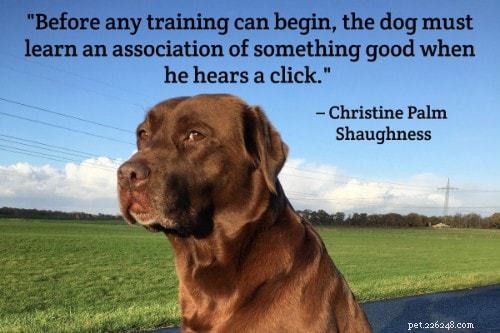
93. Keep charging your clicker during training. “One of the biggest problems with clicker training is the lack of understanding of why and how to use the clicker. I recently met a novice trainer who didn’t know that the clicker needed to be ‘charged,’ that is, before any training can begin, the dog must learn an association of something good when he hears a click. After all, the sound of the click by itself is meaningless. ‘Charging’ the clicker involves simply clicking and immediately giving the dog a high value treat. Click and treat, click and treat. Do this about 20-30 times. The dog is sure to learn that whenever he hears the click, it’s a good thing!” – Christine Palm Shaughness, Clicker Training for Dogs, Capers for Canines (and Other Animals)
94. Clicker training is so much faster. “An advantage to using the clicker is that the reward is instantaneous. You can press the clicker much more quickly than you can give the dog a treat or even say ‘good boy.’ As soon as the dog starts the good behavior, immediately click. That way, it’s completely clear to the dog what you are rewarding.” – Megan Smith, Clicker Training Pros &Cons , Daily Puppy; Twitter: @DailyPuppy

95. The more advanced the technique, the more skilled your clicking will need to be. “Clicker training (or marker training) does require a lot of knowledge and practice. It mostly depends what you are up to. With basic exercises you can get away with not such great timing, however with more advanced exercises it is important that you have a good eye-hand coordination.” – Mario Ancic, Pros and Cons of Clicker Training , Training Your Dog and You
96. Don’t ignore any bad behaviors during clicker training. “How to eliminate behaviors you don’t like:Establish a ‘no reward’ signal, like ‘oops’ or ‘too bad.’ Positively reinforce an incompatible behavior (a reliable ‘sit’ will prevent your puppy from jumping up). Time-outs:Immediately after a misbehavior, turn away and ignore the puppy for 30 seconds to a minute.” – Clicker Training – First Steps , Animal Hospital of North Asheville; Twitter: @AHNApets

97. Click even for small progress. “Click when the animal offers small steps in the right direction. Animals learn most behaviors in small steps; they do not have to perform the behavior perfectly at first. Be patient and upbeat when teaching your pet.” – Clicker Training, Amazing Animal Tricks
98. Transitioning away from food rewards. “What many people do not realize about dog clicker training is that the ultimate goal is to be able to get certain behaviors from your dog reliably without having to have a clicker and a treat bag in your hand. It is important to learn how to transition away from dependence on the clicker system once a behavior is learned and you have added distance, duration and distraction. […] Return to a food reward refresher from time to time:This helps keep your dog sharp on behaviors that you have trained. There is no harm in practicing well known behaviors with a rapid reward in the context of a training session. This will only help your dog stay confident in a training session as well as keep them sure about commands they learned long ago.” – Mat, Clicker Training Basics 7 Insanely Actionable Steps , Wiley Pup; Twitter: @wileypupwebsite
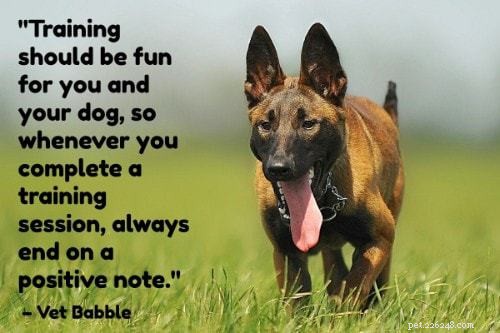
99. End on a high note. “Training should be fun for you and your dog, so whenever you complete a training session, always end on a positive note. If you are both getting frustrated, ask your dog to do something he knows how to do and reward him for that. Never end on a failure. The following video has some great training advice and features the clicker and how to shape behaviors.” – Cool Dog Tricks To Teach Your Furry Friend , Vet Babble; Twitter: @VetBabble
100. Worst case scenario is it won’t work if not done properly. “Clicker training is recommended by the American Veterinary Society of Animal Behavior as well as the Humane Society of the United States. There are no negative side effects. The worst that can happen is training will be ineffective if applied incorrectly.” – Clicker Training Basics , Fortunate Fido
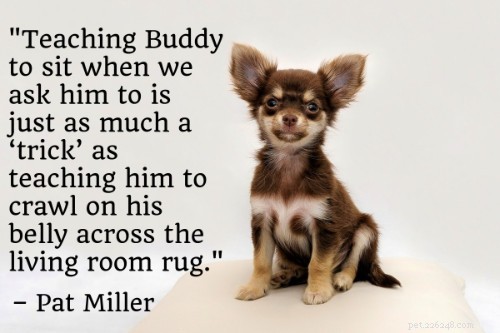
101. It’s all tricks! “Positive trainers have a saying that I love. We like to remind our clients that, ‘It’s all tricks!’ Teaching Buddy to sit when we ask him to is just as much a ‘trick’ as teaching him to crawl on his belly across the living room rug. They are both simply behaviors that Buddy is physically capable of doing, that we teach him to offer us in response to a verbal cue or hand signal. If we can change our attitude and remember to have fun teaching the basics as well as the tricks, we can have a dog who performs the serious behaviors with just as much enthusiasm as he does when he rolls over or catches a treat off the end of his nose.” – Pat Miller, Clicker Training and Trick Training Your Dog , Whole Dog Journal; Twitter: @WholeDogJournal
Need more training advice? Make sure to check out our helpful pet training articles.
Check Out These Resources and Products for Clicker Training your Puppy:
Featured Image Credit:Ivanova N, Shutterstock
